
Does a Speaker Cleaner Actually Work? What the Science Says
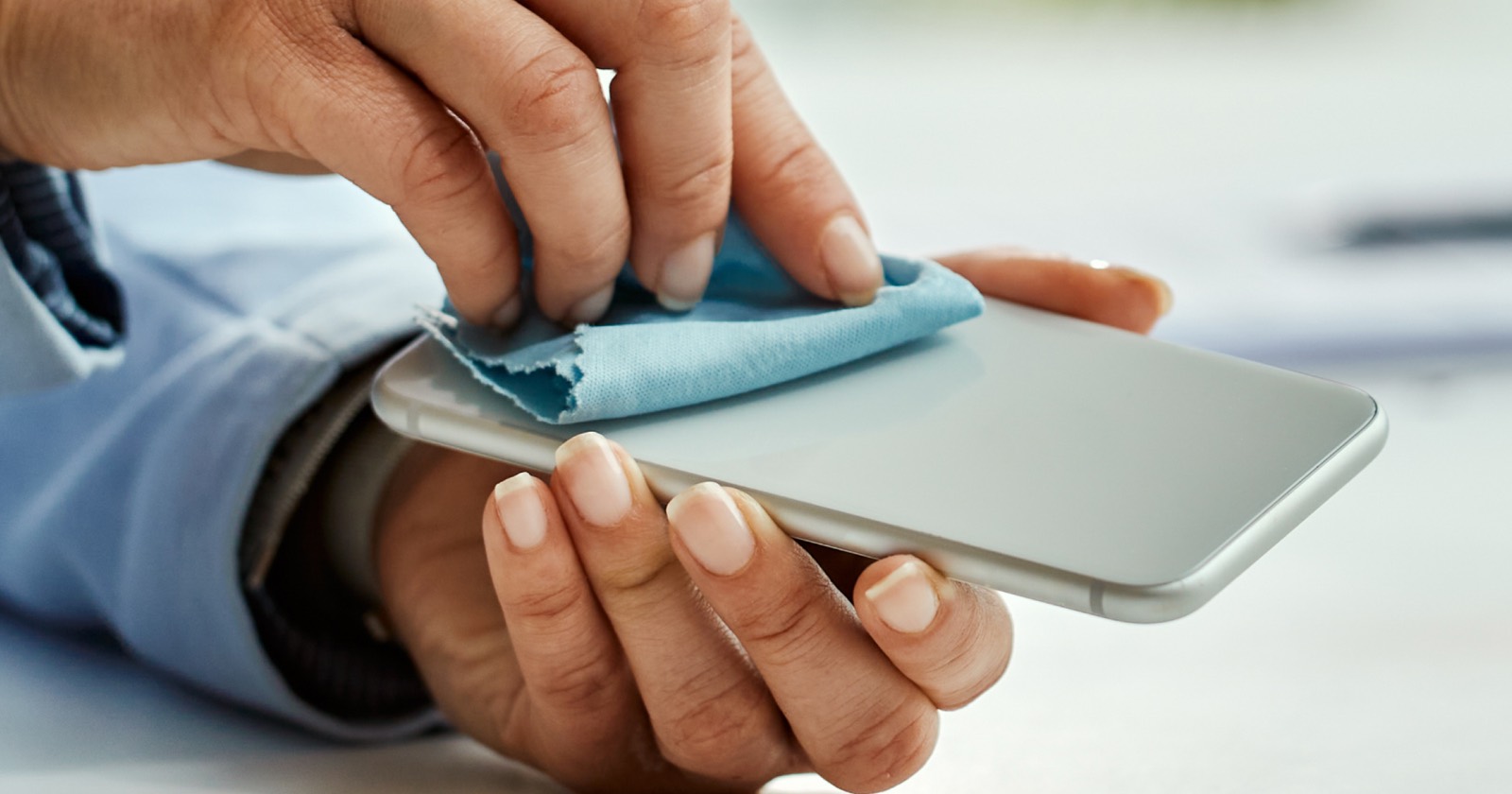
"Cleaning a speaker with sound" sounds like a gimmick — but it's based on real physics, and it works within clear limits. Here's exactly what it can and can't do.
How it works (the physics)
A speaker makes sound by moving a membrane back and forth. At low frequencies (~165 Hz) that membrane travels a relatively large distance with each cycle. Those big movements act like a tiny pump, building enough air pressure to push water droplets up and out of the grille — the same principle the Apple Watch uses for its water-eject feature.
At higher frequencies (~2,000 Hz), the membrane vibrates very quickly instead. That rapid shaking loosens fine dust and lint clinging to the mesh so it can fall away or be brushed off.
What it works well for
- Trapped water after rain, splashes or a brief drop.
- Dust and pocket lint causing gradual muffling.
- Light moisture dampening the sound.
What it can't do
- Fix a blown speaker — torn or damaged drivers need repair.
- Remove sticky grime or earwax buildup — that needs gentle brushing too.
- Reverse internal liquid damage to the electronics.
Why "free online tools" all use ~165 Hz
165 Hz is the sweet spot for phone speakers: low enough for strong membrane movement, but high enough that a tiny phone driver can still reproduce it loudly. Curious which exact tone to use for each job? See our breakdown of the best frequency to clean speakers.
Try the free water-eject tool or speaker cleaner right in your browser — no install needed.