
Does Rice Actually Dry a Wet Phone? (The Honest Answer)
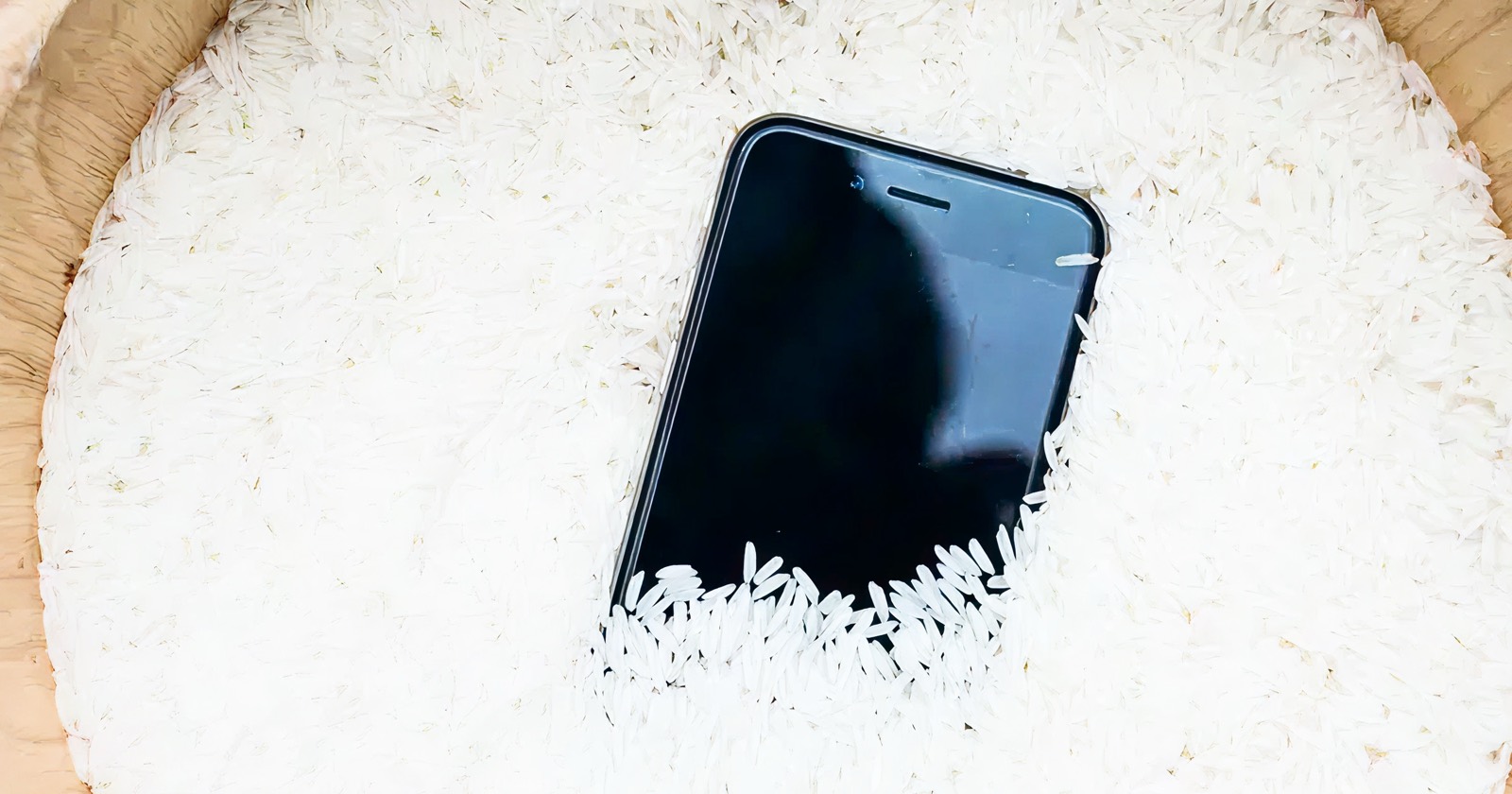
“Drop it in rice” is the most repeated phone-rescue tip on the internet. It's also one of the least effective. Here's what actually happens — and what to do instead.
Why the rice myth spread
Rice is mildly hygroscopic — it pulls a little moisture from the air around it. People saw phones survive after a night in rice and gave the rice the credit. In reality, the phone usually survived because it simply dried on its own, which it would have done faster sitting in open air.
What the science says
Tests comparing drying agents consistently rank uncooked rice near the bottom — below open air, silica gel, and cat litter crystals. Rice grains are too large to reach the moisture that matters (inside the speaker mesh and charging port), and they introduce two new problems:
- Starch dust that can settle in the speaker grille and port.
- Stray grains that lodge in openings and are hard to remove.
What to do instead — 3 better hacks
1. Eject the trapped water with sound
This is the step rice can't do. A low-frequency tone physically pushes water out of the speaker. Run our water-eject tool with the speaker facing down before doing anything else.
2. Use silica gel, not rice
Silica packets absorb far more moisture per gram than rice. Seal the phone with several in an airtight bag for a few hours to finish the job.
3. Room-temperature airflow
A fan or a dry, ventilated spot evaporates surface moisture safely. No heat — heat is what actually damages phones, not water that's on its way out.
The bottom line
Skip the rice bag. Eject the water with sound, dry the rest with silica gel and airflow, and avoid heat and charging until you're sure it's dry. Your speaker will thank you.
Try the free water-eject tool or speaker cleaner right in your browser — no install needed.